
Plantae Four Phylum
Phyllum Bryophyta: "division of green land plants that includes the mosses (class Bryopsida), the liverworts (Marchantiopsida), and the hornworts (Anthocerotopsida)," (Bryophyta). They have crude stems and leaves, but no roots, and use "rhizoids" to substitute the roots (Bryophyta). Their main characteristics includes (Kingdom Plantae);
-
They are non-vascular land plants, which do not contain any conducting tissues and are often referred to as bryophytes.
-
These plants are small, grow close to the ground and include mosses and liverworts.
-
They are very small in structure and are considered as important members of our ecosystem.
-
The reproduction process is carried in their spores. They are non flowering plant and are found mainly growing on the ground, on other plants and on rocks.
-
They play a vital role in preventing soil erosion.
Meet Fontinalis antipyretica;
Phyllum Pteridophytae: Phyllum "containing all the vascular plants that do not bear seeds," (Pteridophyta). They reproduce through spores, instead of seeds (Pteridophyta). Its main characteristics includes (Kingdom Plantae);
-
They are seedless vascular plants, which contain vascular tissues but do not produce seeds.
-
They are involved in transportation of fluids.
-
The reproduction process is carried by spores.
Meet Pteris vittata;
Phyllum Angiosperms: Representing 80% of all plants, angiosperms are flowering plants (Angiosperm). They are also vascular plants with tems, roots, and leaves (Angiosperms). Its main characteristics includes (Kingdom Plantae);
-
Angiosperms are flowering plants, which develops the seeds within a protective structure.
-
The reproduction process is carried by Angiosperm.
-
They develop their seeds within an ovary, which itself is embedded in a flower. After the stage of fertilization, the flower falls and the ovary bulges to become a fruit.
-
Angiosperms in the class Dicotyledoneae grows into two seed-leaves (cotyledons).
-
An angiosperms leaf consists of a single, branched, main vein, which originates from the base of the leaf blade. In few plats, it may also consist of four or more main veins diverging from the same base.
Meet Helianthus annuus;
Phyllum Gymnosperms: "Gymnosperms (from the Greek, γυμνόσπερμος, meaning "naked seed" because the seeds do not develop within an ovary)," (Gymnosperms). The seeds are borne in cones and are not visible until maturity (Gymnosperm | Plant). Its main characteristics includes (Kingdom Plantae);
-
Gymnosperms are non-flowering plants with undeveloped seeds, which are present in an enclosed structure.
-
Monocot begins with a single seed-leaf. The main veins of their leaves are usually parallel and unbranched.
-
Monocot plays an important role in providing us with our primary sources of nutrition, which includes grains, fruits, etc.
Meet Pinus taeda;
Works Cited
"Bryophyta." Encyclopedia.com. HighBeam Research, 2016. Web. 27 Mar. 2016.
"Bryophyta." Web. 27 Mar. 2016.
"Kingdom Plantae." Tutor Vista. Web. 27 Mar. 2016.
"Fontinalis Antipyretica." Tropica Aquarium Plants. Web. 27 Mar. 2016.
"Pteridophyta." The Free Dictionary. Farlex. Web. 27 Mar. 2016.
"Pteridophyta." Plant Classification. Web. 27 Mar. 2016.
"PTERIS VITTATA." UFIFAS Center for Aquatic and Invasive Plants. Web. 27 Mar. 2016.
"Angiosperm." Encyclopedia Britannica. Web. 27 Mar. 2016.
"Angiosperms." NatureWorks. Web. 27 Mar. 2016.
"NPIN: Native Plant Database." Lady Bird Johnson Wildflower Center. Web. 27 Mar. 2016.
"Gymnosperms." The Gymnosperm Database. Web. 27 Mar. 2016.
"Gymnosperm | Plant." Encyclopedia Britannica. Web. 27 Mar. 2016.
"Loblolly Pine (Pinus Taeda)." Carolina Nature. Web. 27 Mar. 2016.
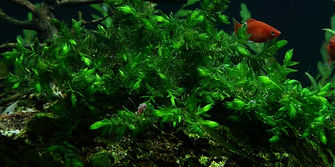
(Fontinalis Antipyretica)

(PTERIS VITTATA)

(NPIN: Native Plant Database)

(Loblolly Pine (Pinus Taeda)